My cousin opened his first brokerage account last year and then just sat there staring at it for two weeks. Money in the account, zero investments bought. He kept waiting to feel “ready,” whatever that meant. Eventually he just picked something and got started, and looking back now, that was the actual hard part. Everything after that got easier.
That’s usually how this goes. The idea of starting to invest feels bigger than it actually is. So let’s break down the ways to build an investment portfolio from the ground up, in a manner that doesn’t require a finance degree or a six-figure salary first.
At Finance Nest, we hear the same worry constantly: people want to invest but feel stuck before they even begin. Not because it’s actually complicated. Mostly because nobody ever explained it in plain language.
Start With Why You’re Investing
Before touching a single stock or fund, get clear on the goal. Retirement in thirty years is a very different target than a house down payment in three. The timeline changes everything about what kind of investing strategy actually makes sense for you.
Ask yourself a simple question. When do you actually need this money? If the answer is decades away, you can afford more ups and downs along the way. If it’s just a few years out, steadiness matters more than big growth.
Write this goal down somewhere. Sounds small, but it becomes your anchor every time the market gets shaky and your brain starts panicking.
Understand What You’re Actually Building
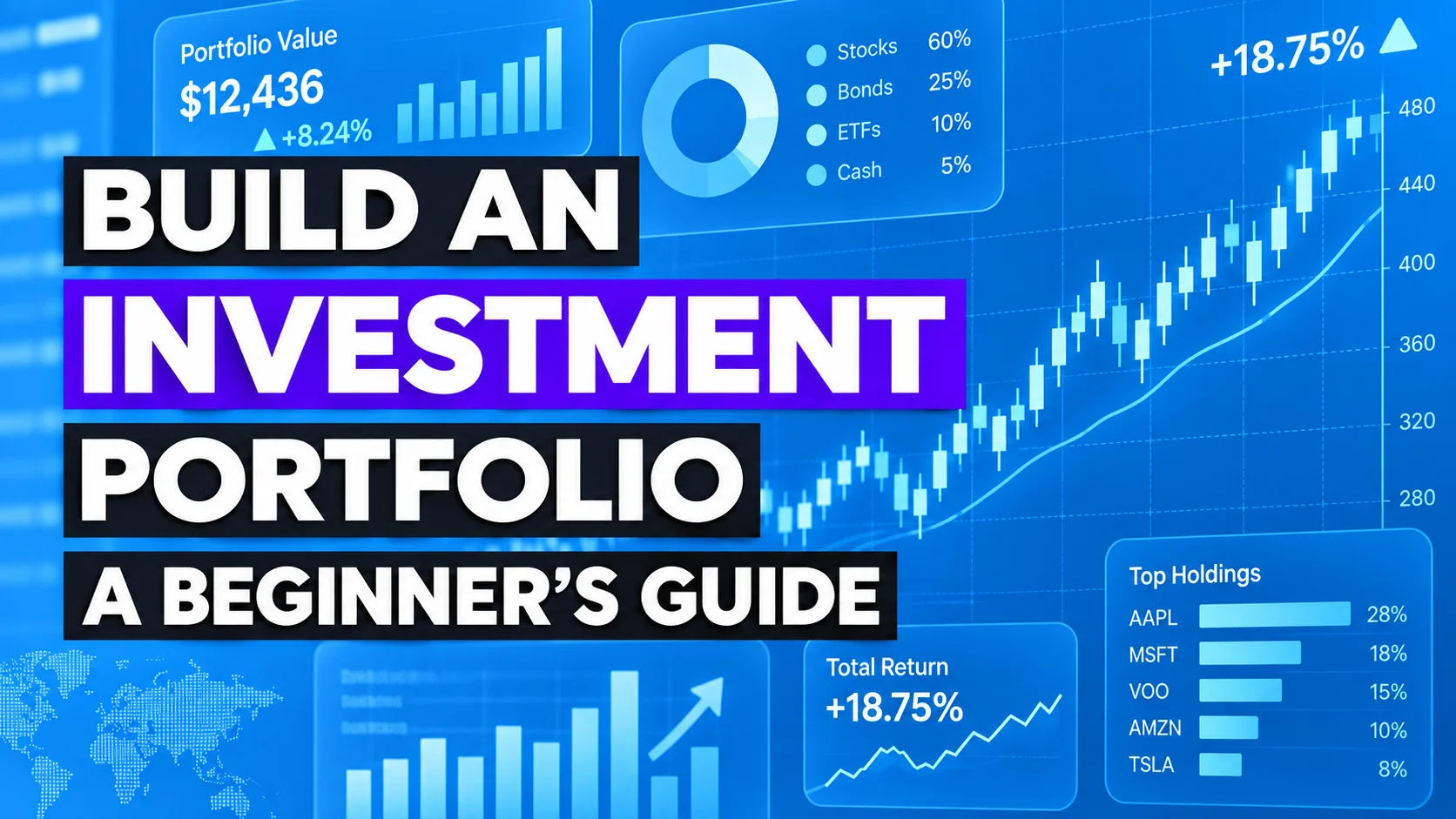
A portfolio is just a fancy word for a collection of investments you own. Stocks, bonds, funds, maybe some cash sitting on the side. That’s it. Nothing mystical going on here.
Two big buckets exist inside most portfolios:
- Stocks, which represent ownership in companies and tend to grow more over time, with more bumps along the way
- Bonds, which are essentially loans to companies or governments, generally steadier but with smaller returns
Most portfolios mix both. The exact mix depends on your goals, your timeline, and how well you sleep at night when the market drops ten percent in a week.
Figure Out Your Risk Tolerance Honestly
This part gets skipped constantly, and it shouldn’t. Risk tolerance isn’t about how brave you feel reading an article. It’s about how you’ll actually react when your account drops by fifteen percent in a month.
Some people can watch that happen and shrug it off, knowing it’ll recover eventually. Others start losing sleep and want to sell everything immediately. Neither reaction is wrong, but knowing which one you are matters a lot before you build anything.
A younger investor with decades until retirement can usually handle more risk. Someone five years from retiring generally can’t afford the same rollercoaster. Be honest with yourself here, this isn’t the place to overestimate your own nerve.
Pick an Account That Fits Your Goal
Where you invest matters just as much as what you invest in. A 401(k) or IRA usually comes with tax perks a regular brokerage account just doesn’t have.
If your employer matches 401(k) contributions, grab that first. It’s basically free money sitting there, no reason to leave it on the table.
After that, IRAs are worth looking into for additional tax-advantaged investing. A standard brokerage account works fine too, especially for goals that aren’t retirement-specific.
Pick based on the goal from step one. Retirement money goes in retirement accounts. Everything else has more flexibility.
Build the Actual Portfolio, Piece by Piece
Now for the part that actually feels like investing. Here’s a simple approach that works for most beginners:
- Start with a broad index fund that tracks the overall stock market
- Add a bond fund to smooth out some of the bumps
- Adjust the ratio between the two based on your age and risk tolerance
- Keep some cash on the side for emergencies, separate from your investments entirely
A common rule of thumb suggests subtracting your age from 110 to get a rough stock percentage. So a thirty year old might aim for roughly 80% stocks, 20% bonds. It’s not perfect science, just a reasonable starting point.
This kind of simple, diversified setup beats picking individual stocks for most beginners. Fewer decisions, less stress, and historically solid long-term results.
Diversify So One Bad Pick Doesn’t Sink You
Never put everything into one stock, one sector, or one country. This is the single most repeated piece of investing wisdom for a reason, it actually works.
Index funds already build in diversification since they hold hundreds or thousands of companies at once. Adding international exposure spreads things out even further, so your whole future doesn’t depend on one economy doing well.
Think of diversification like not betting your entire paycheck on one horse. Spread it around, and one bad outcome won’t wreck everything else.
Keep Costs Low Wherever Possible
Fees quietly eat into returns more than most beginners realize. A fund charging 1% annually versus one charging 0.05% might not sound like much difference. Over thirty years, that gap can cost you tens of thousands of dollars.
Look for low-cost index funds and ETFs before anything flashy or actively managed. Lower fees don’t guarantee better returns, but high fees almost always guarantee worse ones over time.
Check the expense ratio before buying anything. It’s usually listed right on the fund’s page, and it’s one of the easiest numbers to compare across options.
Automate Contributions So You Actually Stick With It
Consistency beats timing the market. Almost every single time.
Set up automatic transfers into your investment account, right after payday if you can swing it, before that money gets a chance to disappear into something else. Sometimes you’ll buy when prices are high, sometimes low. Doesn’t matter much. It evens out over the years without you having to guess anything.
Honestly, even a modest amount invested consistently tends to beat someone sitting around waiting for the “perfect” moment. There isn’t one. There’s just starting.
Rebalance Occasionally, But Don’t Obsess
Over time, your portfolio drifts from its original mix. Stocks grow faster than bonds usually, so your 80/20 split might quietly become 90/10 after a good year.
Once or twice a year, take a look and nudge things back toward your target. Sell a little of what’s grown, add a little to what’s lagged. This isn’t about predicting the market, it’s just basic maintenance.
Resist the urge to check daily or tinker constantly though. Checking too often just invites panic decisions, and this whole approach works precisely because it doesn’t require constant attention.
Avoid the Most Common Beginner Traps
A few patterns trip up new investors again and again:
- Trying to time the market instead of staying invested consistently
- Chasing whatever stock or crypto is trending that week
- Checking the portfolio daily and reacting emotionally to normal fluctuations
- Ignoring fees because the difference feels invisible in the moment
None of these mistakes come from laziness. They usually come from excitement or fear, both of which push people toward decisions that feel urgent but rarely are.
Keep Learning as You Go
You don’t need to master every investing strategy before starting, that’s actually backwards. Start simple, then build knowledge gradually as your portfolio grows alongside it.
Read a little each month. Follow a few credible sources. Ask questions when something doesn’t make sense instead of guessing. Over a few years, you’ll naturally pick up a solid working understanding of how all this fits together.
Final Thoughts
We’ve seen plenty of people go from staring nervously at an empty brokerage account to building something solid, one small step at a time. It’s not about being a market genius. It’s just about starting, staying consistent, and letting the years do their work.
FAQs
- How much money do I need to start building an investment portfolio?Not much, many brokers let you start with as little as $50 or $100.
- Should I pick individual stocks or use index funds as a beginner?Index funds are usually better for beginners, less risk and less decision-making involved.
- How often should I check or rebalance my portfolio?Once or twice a year is enough, checking too often just invites unnecessary panic.
- What's the difference between a 401(k) and a regular brokerage account?A 401(k) offers tax advantages for retirement, while a brokerage account is more flexible for any goal.
- What's a good starting stock-to-bond ratio for a beginner?A common rule is subtracting your age from 110 to get a rough stock percentage.
- Is it better to invest a lump sum or invest gradually over time?Investing gradually through automatic transfers tends to feel less stressful and works well for most beginners.
- Do I need a financial advisor to build a portfolio?No, many people build solid portfolios on their own using simple index funds and consistent contributions.